






Evidence for antibody-catalyzed ozone formation in bacterial killing and inflammation
Wentworth P Jr, McDunn JE, Wentworth AD, Takeuchi C, Nieva J, Jones T, Bautista C,
Ruedi JM
, Gutierrez A, Janda KD, Babior BM, Eschenmoser A, Lerner RA.


From www.pubmed.com


Department of Chemistry, The Scripps Research Institute, 10550 North Torrey Pines Road, La Jolla, CA 92037, USA.

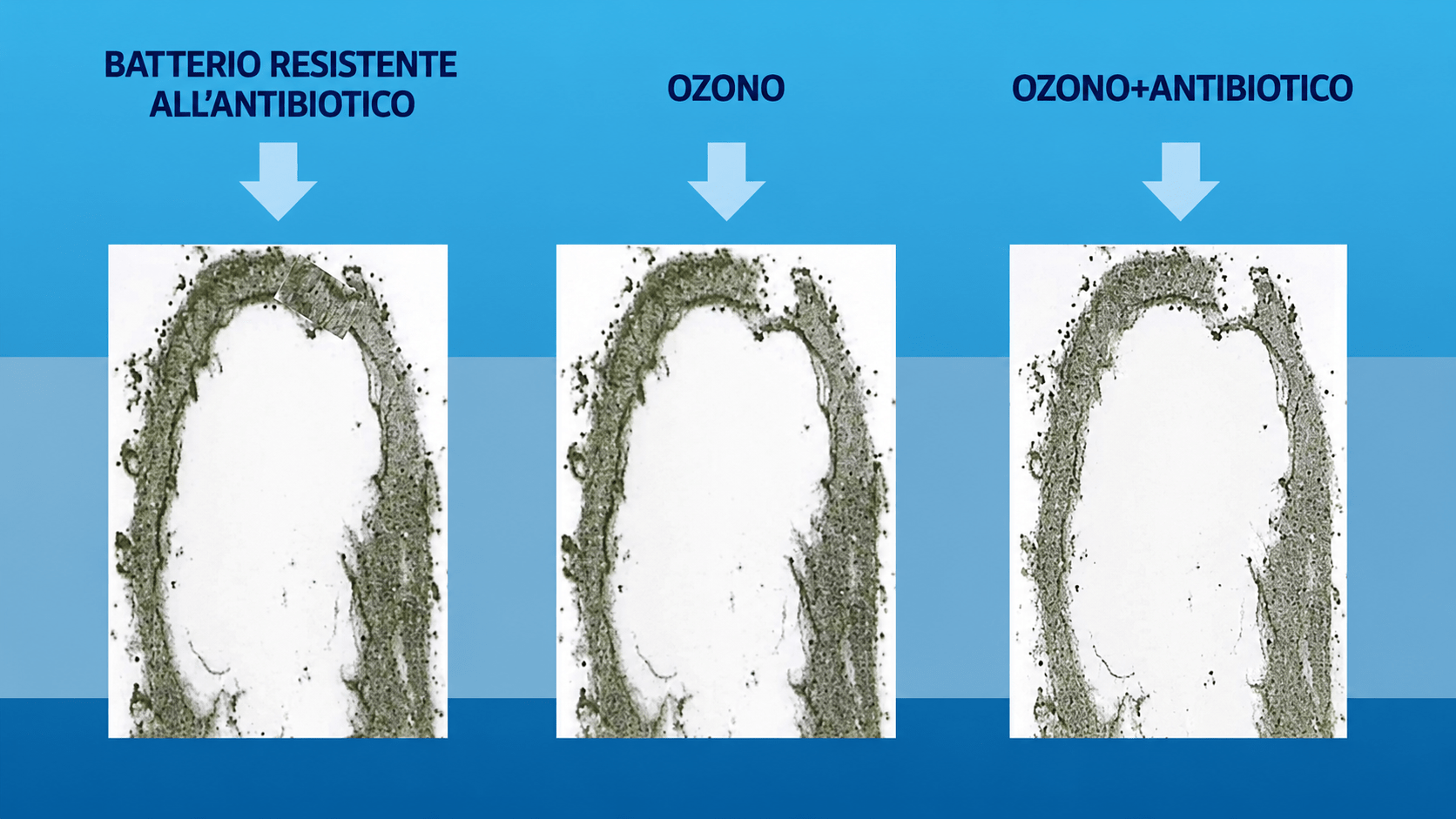
Recently, we showed that antibodies catalyze the generation of hydrogen peroxide (H2O2) from singlet molecular oxygen (1O2*) and water. Here, we show that this process can lead to efficient killing of bacteria, regardless of the antigen specificity of the antibody. H2O2 production by antibodies alone was found to be not sufficient for bacterial killing. Our studies suggested that the antibody-catalyzed water-oxidation pathway produced an additional molecular species with a chemical signature similar to that of ozone. This species is also generated during the oxidative burst of activated human neutrophils and during inflammation. These observations suggest that alternative pathways may exist for biological killing of bacteria that are mediated by potent oxidants previously unknown to biology.

PMID: 12434011 [PubMed - indexed for MEDLINE]


Home Page English Version Scientific Publications